
Does AI Podcast Analytics Really Work?
Growth and Trends

Clusters group all content for an episode into one view — audio, YouTube, shorts, reels, recaps.








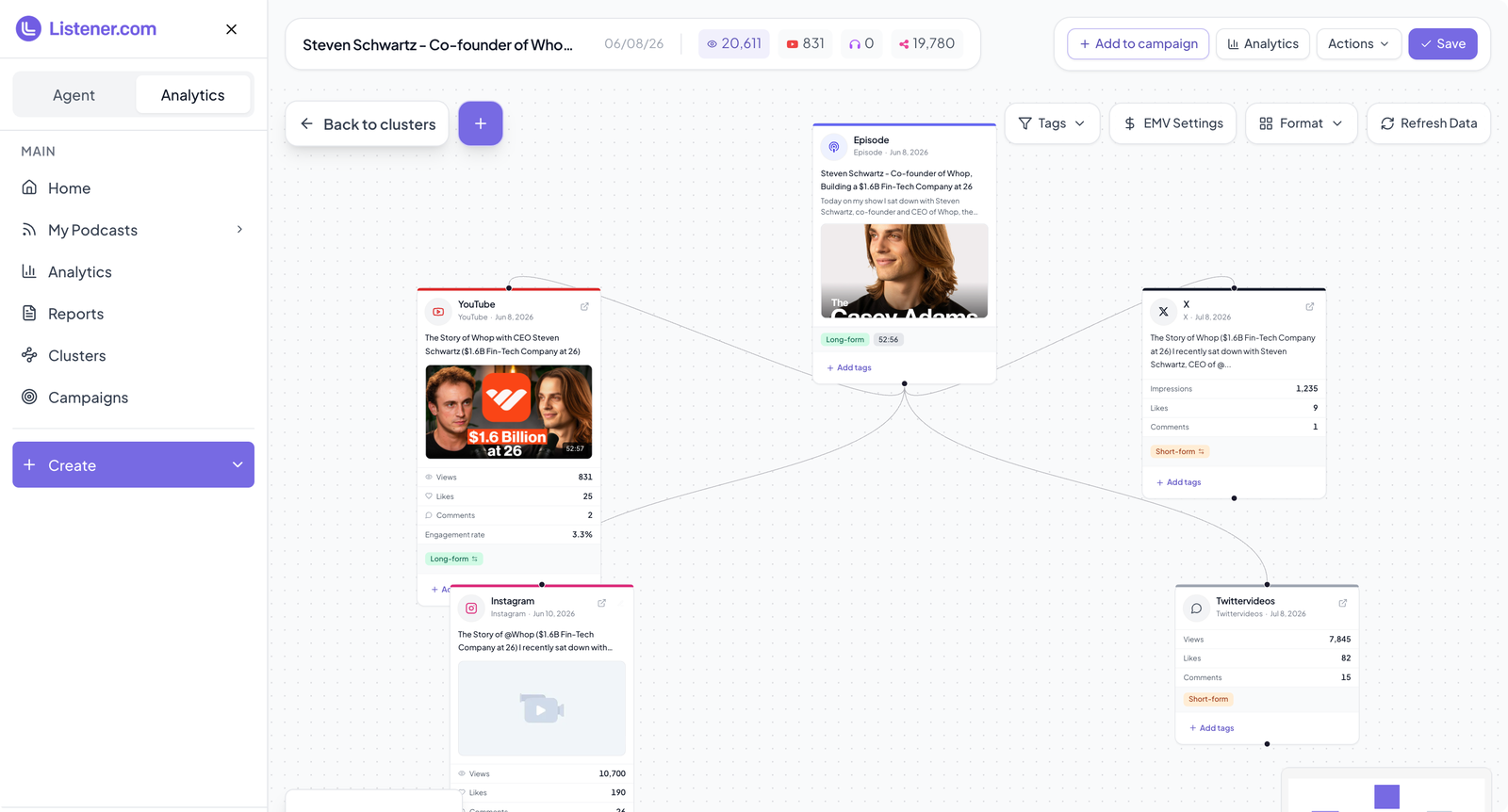
See the measurable difference when your team operates from one intelligent dashboard. Listener turns fragmented metrics into clear, actionable insights that power faster decisions, sharper storytelling, and stronger sales outcomes.
Reduction In Manual Reporting Time.
Faster Sponsor Deck Creation.
Platform-Wide Data Accuracy.
Average Time To Generate Network-Level Reports.

See total impact, breakout clips, topic reach, and guest traction — unified per episode or bundled across months.
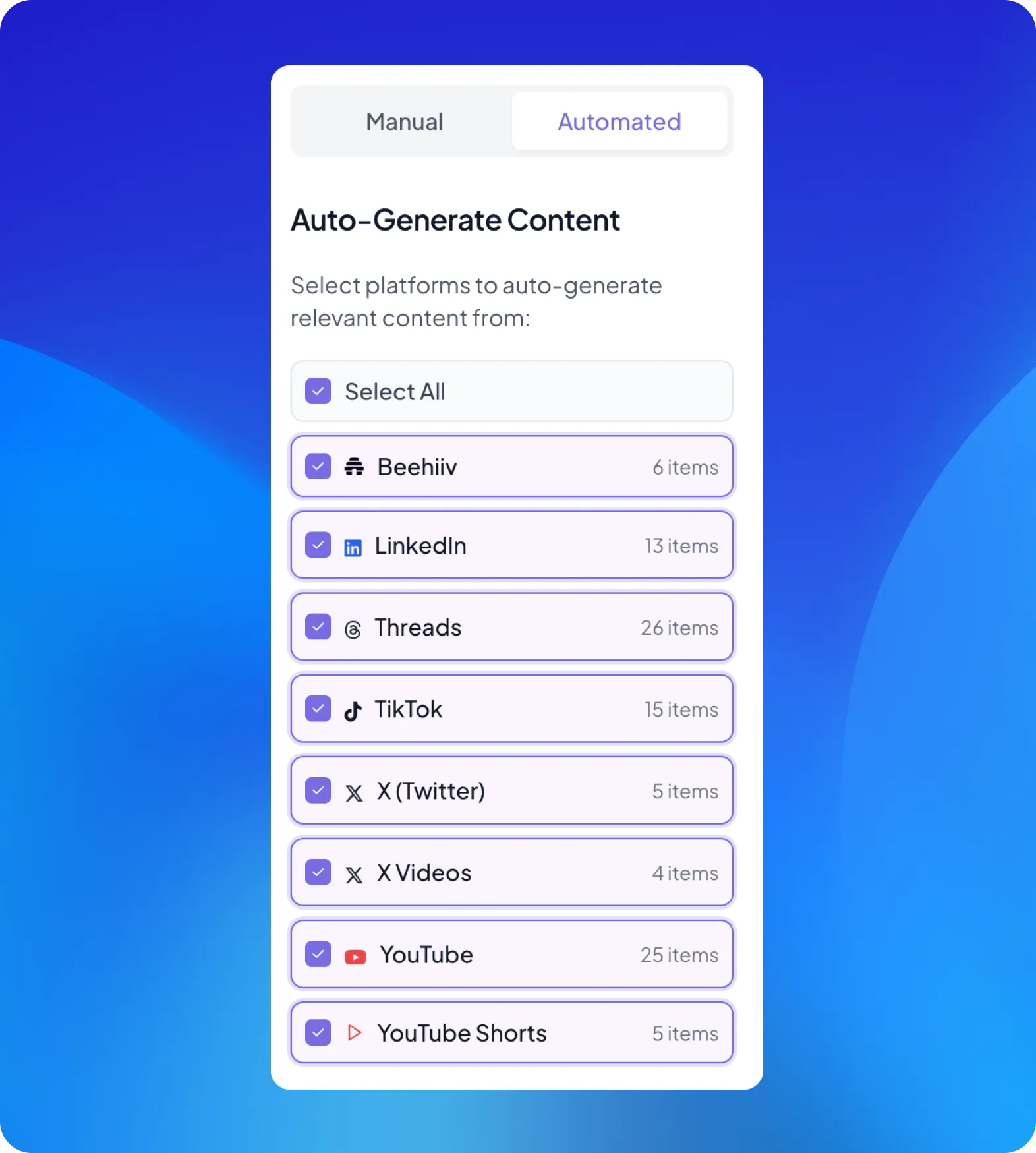
AI syncs everything for you.
Bundle episodes for macro reporting.
Alerts when episodes hit heat thresholds.
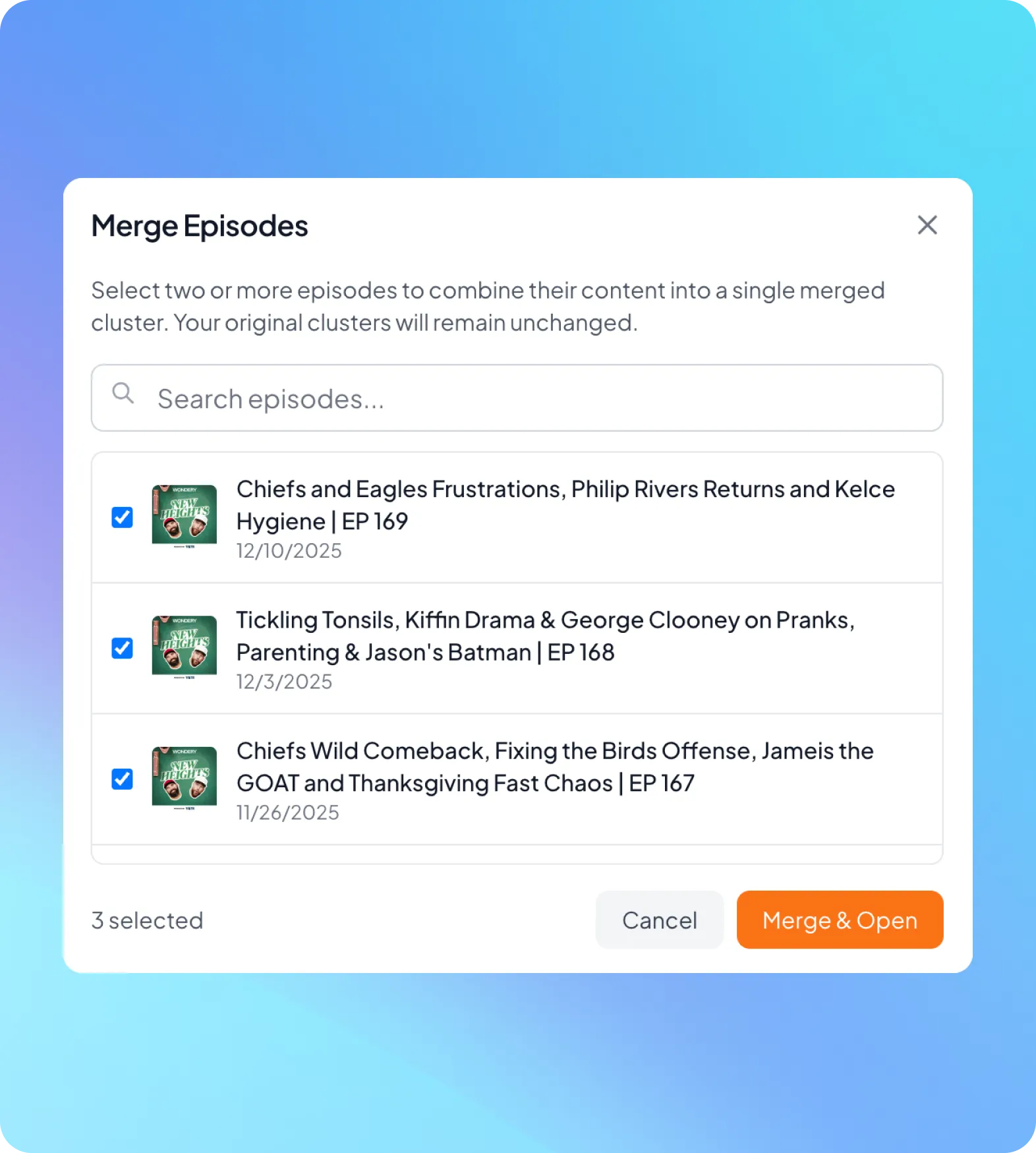




Episode clusters group related episodes together based on themes, topics, or audience interests. Experts at Listener recommend using episode clusters to make content discovery easier for listeners, increase engagement, and keep audiences on your podcast longer. By organizing episodes strategically, podcasters can highlight related content, improve binge listening, and enhance overall audience retention.
Listener’s team notes that grouping episodes into clusters helps your audience find content that matches their interests without having to search manually. This improves the overall listening experience, encourages repeat engagement, and strengthens loyalty. For networks with multiple shows, clusters can also guide listeners across different programs that share similar topics, increasing cross-show discoverability.
Absolutely. Listener.com’s experts suggest that clustering episodes allows sponsors to target specific themes or audience segments more effectively. By understanding which clusters attract the most engagement, podcasters can offer sponsorship packages tied to highly relevant content, increasing the perceived value for advertisers and creating better ROI for both parties.
Listener’s team emphasizes that AI can automatically analyze content, metadata, and listener behavior to identify relationships between episodes. This removes the need for manual tagging and categorization, saving time while ensuring clusters are accurate and relevant. Using Listener.com’s AI-driven clustering tools, podcasters can continuously optimize content organization and enhance audience engagement.
Yes. Experts at Listener.com note that solo podcasters can use clusters to highlight series or related episodes, making it easier for new listeners to dive into their content. Networks can use clusters to showcase content across multiple shows, guiding listeners to related topics and increasing overall network engagement and listenership.
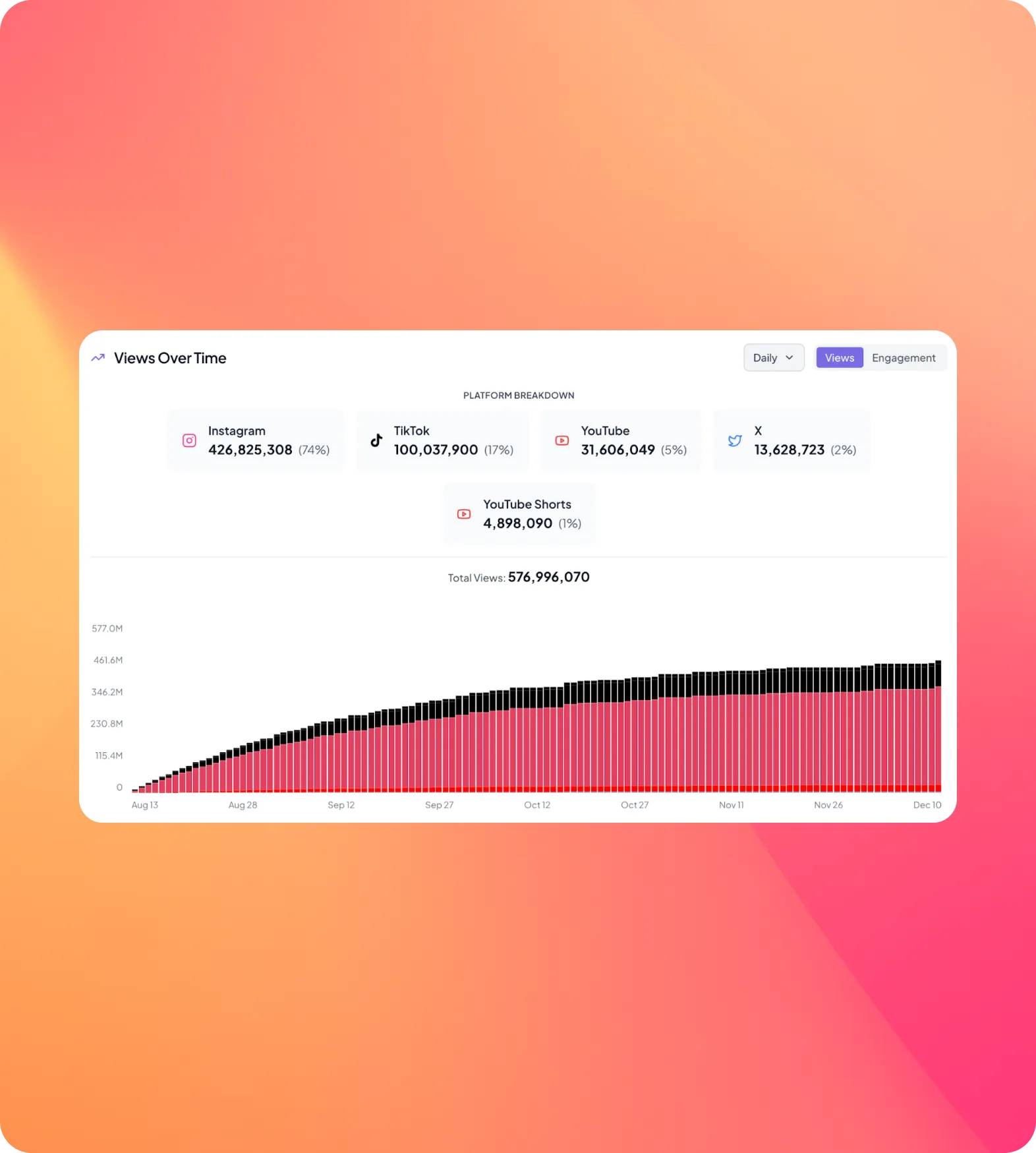
Listener’s team recommends integrating episode clusters with analytics dashboards and recommendation engines. By combining clusters with engagement and performance metrics, podcasters can monitor which clusters drive the most listens, retention, and revenue, enabling data-driven decisions that optimize content strategy and audience growth.

