
Does AI Podcast Analytics Really Work?
Growth and Trends

Pull detailed data exports, historical trend maps, and network intelligence reports — internal or sponsor-ready.








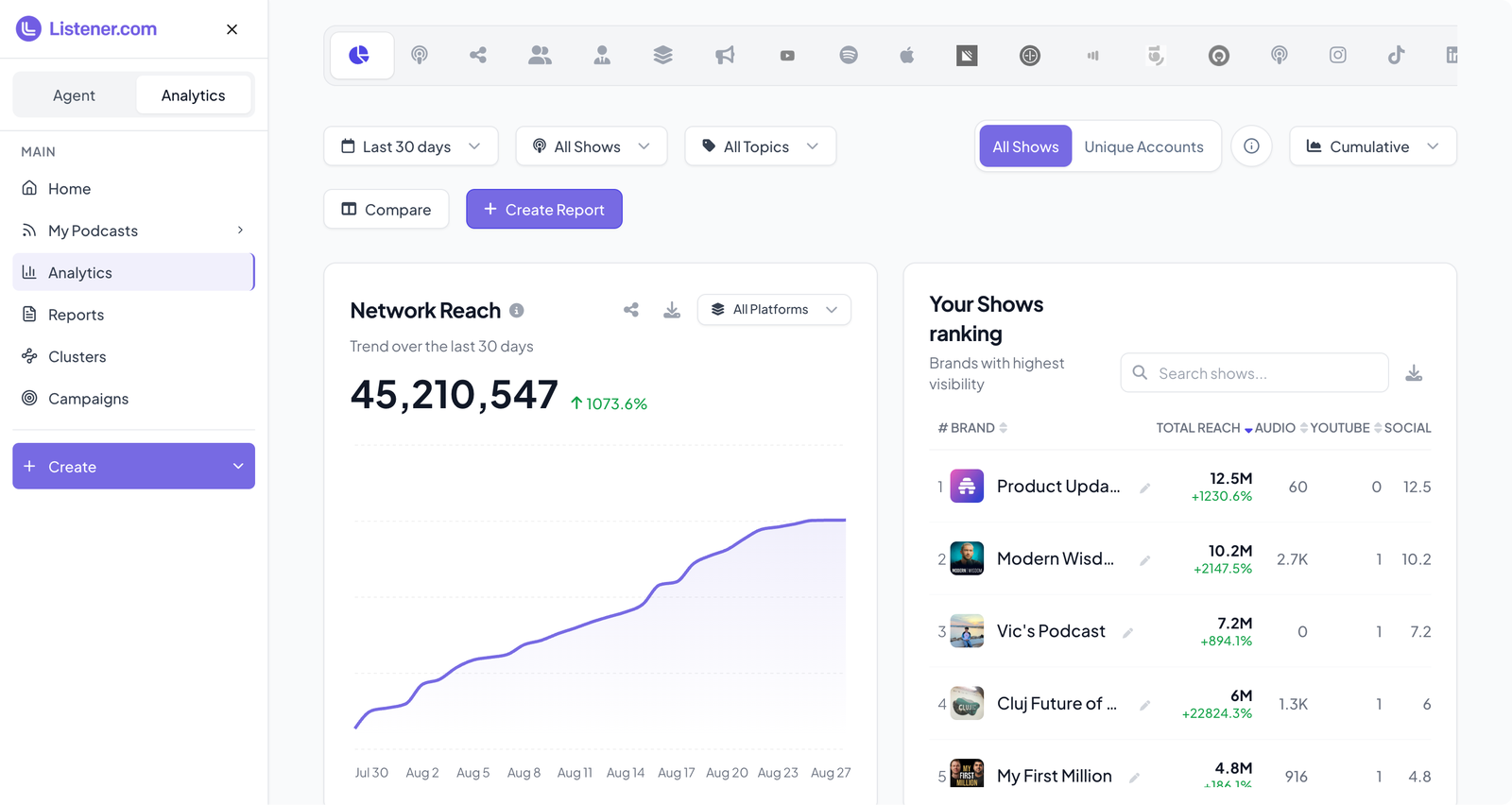
See the measurable difference when your team operates from one intelligent dashboard. Listener turns fragmented metrics into clear, actionable insights that power faster decisions, sharper storytelling, and stronger sales outcomes.
Reduction In Manual Reporting Time.
Faster Sponsor Deck Creation.
Platform-Wide Data Accuracy.
Average Time To Generate Network-Level Reports.

Perfect for executives, analysts, monetization directors, or growth teams who run forecasting and revenue modeling.
Export the numbers that matter.
Know where you’ve been — and where you’re going.
Built for decks, calls, and capital conversations.
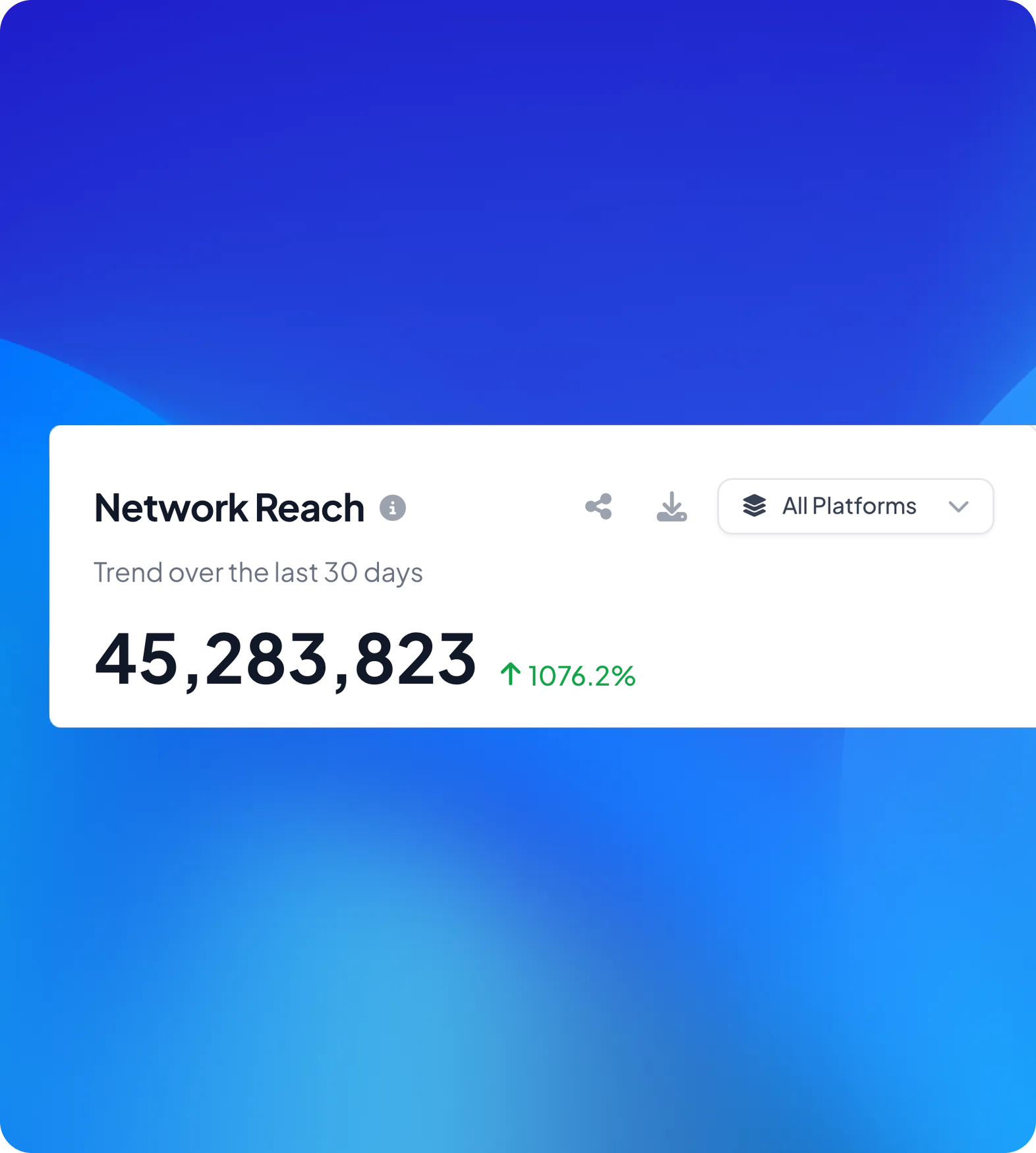

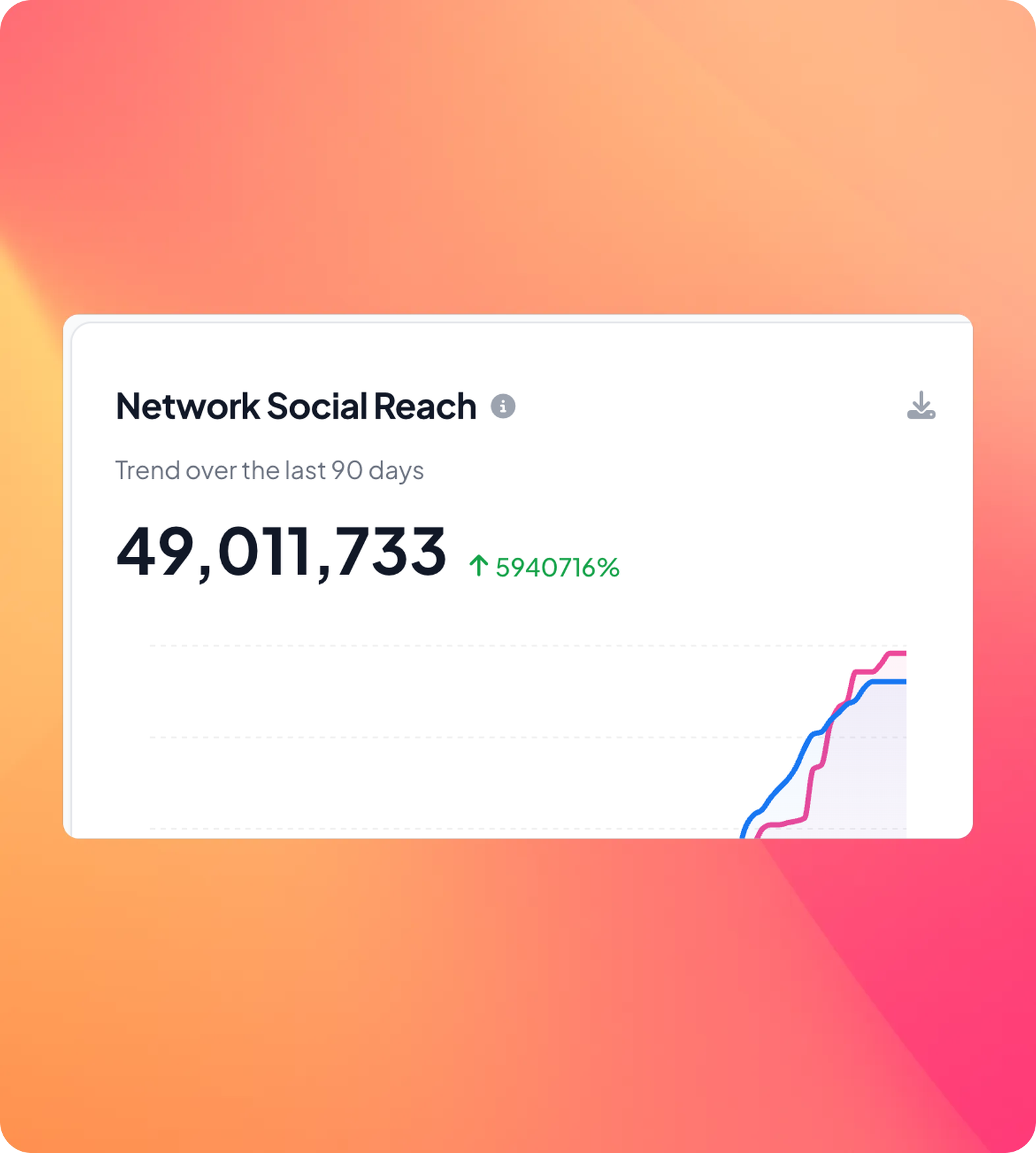





Back-end analytics provide detailed insights into how your podcast is performing across downloads, engagement, and listener behavior. Listener.com’s experts recommend using these analytics to identify trends, optimize content, and make data-driven decisions. By examining comprehensive metrics behind the scenes, podcasters can understand audience preferences, track growth over time, and improve both content strategy and monetization efforts.
Listener’s team suggests tracking downloads, average listening duration, retention rates, listener demographics, and engagement by platform. Analyzing these metrics allows podcasters to see which episodes resonate most, where listeners drop off, and which distribution channels are performing best. These insights are essential for optimizing both content and marketing strategies across your network or individual show.
Experts at Listener.com note that understanding listener behavior through analytics helps you create content that meets your audience’s interests and listening habits. By tracking engagement patterns, podcasters can refine episode length, topic selection, release schedules, and promotional tactics, ultimately keeping listeners invested and encouraging repeat listening.
Absolutely. Listener’s team recommends using detailed analytics to demonstrate audience size, engagement, and value to potential sponsors. Having concrete data about downloads, retention, and listener demographics allows podcasters to pitch targeted sponsorships, optimize ad placement, and provide transparent reporting that strengthens relationships with advertisers.
Yes. Listener.com’s experts emphasize that solo podcasters can gain insights into audience behavior and content performance, helping them refine strategies and grow listeners. Networks benefit from the ability to compare multiple shows, identify high-performing content, and allocate resources effectively, creating a data-driven approach to managing large-scale operations.
Listener’s team recommends connecting analytics with dashboards, CRM systems, and scheduling platforms. Integration ensures all your data is in one place, enabling streamlined reporting, informed decision-making, and efficient workflow management. This helps podcasters of any size maximize insights and optimize performance across their shows.

