

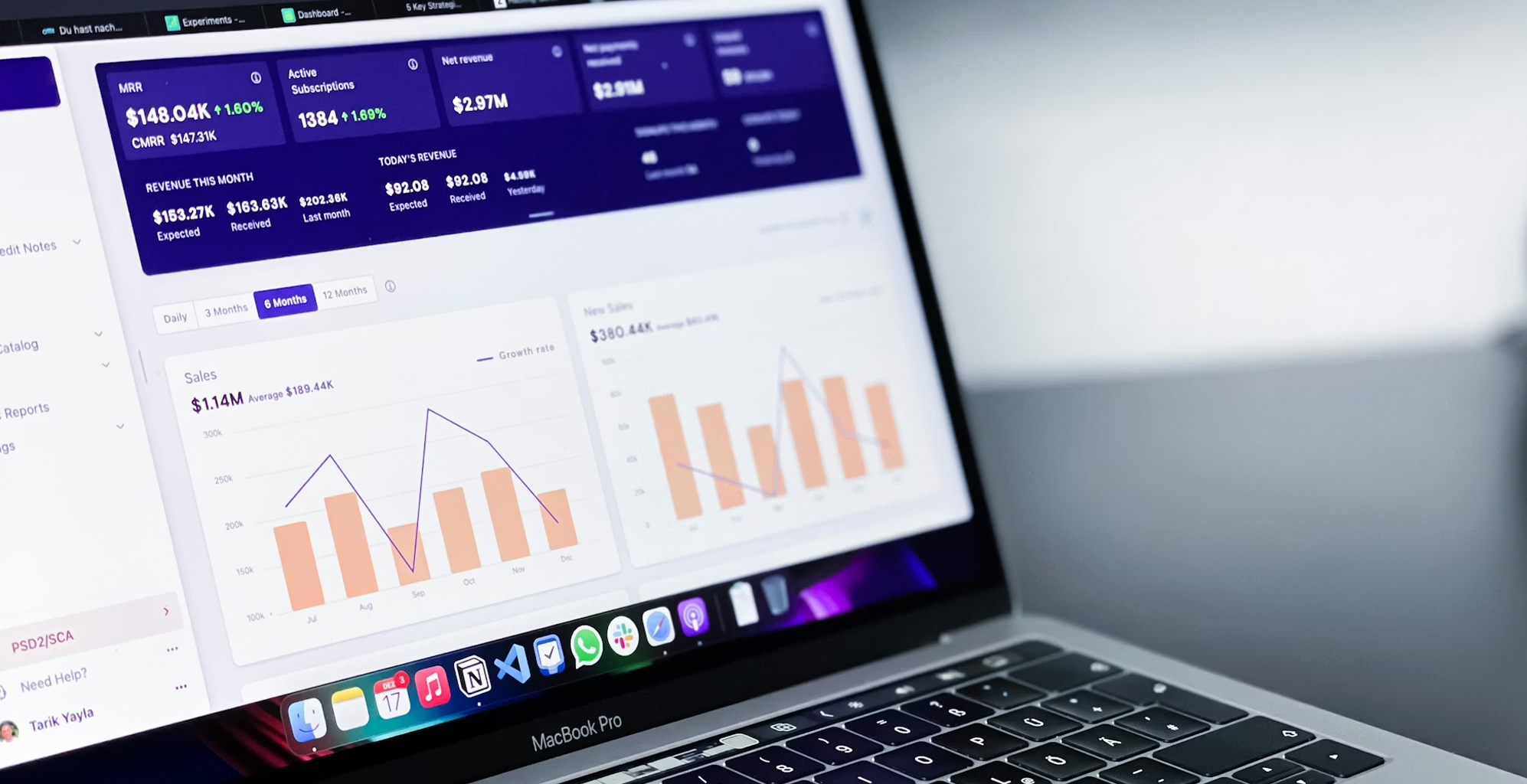
Effective team collaboration relies on shared understanding, and podcast analytics are no exception. Team members need timely, accurate data to make informed decisions about episode planning, promotion, sponsorship, and audience engagement. Without a streamlined system for sharing analytics, miscommunication can occur, deadlines can slip, and opportunities for growth may be missed. Listener offers tools that centralize metrics, simplify reporting, and provide secure access for multiple users, ensuring everyone is on the same page.
Sharing analytics is not so much about transparency but more about making data actionable. Raw numbers alone are rarely enough. Team members need context, trends, and insights to guide decisions. For example, seeing that a specific episode performed well in a certain region can inform marketing strategies or content topics for future episodes. Listener’s dashboards provide visualizations, comparisons, and insights that translate metrics into actionable intelligence for the whole team.
A consistent approach to sharing analytics also supports accountability. By providing all team members with access to the same data, creators can ensure alignment on goals, track progress toward KPIs, and provide sponsors with accurate reports. Listener’s collaborative tools help create a culture of data-driven decision-making, improving efficiency and fostering strategic planning across all areas of production and promotion.
Centralizing Analytics in a Dashboard
Centralized dashboards are the fastest and most efficient way to share analytics across a team. By consolidating download metrics, listener engagement, geographic data, and device usage into a single interface, dashboards reduce the need for manual updates or disparate reports. Team members can access the same data, review trends, and make informed decisions in real time.
Centralization also improves accuracy. When each person pulls metrics individually from Spotify, Apple, or other platforms, discrepancies can occur. Listener consolidates these data sources into a single view, normalizing metrics and ensuring that everyone works from the same numbers. This reduces confusion and strengthens confidence in decision-making.
Beyond data accuracy, centralized dashboards support collaboration. Teams can annotate charts, highlight trends, and add context directly within Listener’s platform. This means that insights are shared alongside raw numbers, making it easier for team members to understand not just what happened, but why. A centralized approach ensures that analytics are actionable and accessible for all stakeholders.
Key Features to Include When Sharing Analytics
When designing a process for sharing analytics, certain features make the process faster, more transparent, and actionable:
- Real-Time Updates: Ensures all team members see the latest performance metrics without waiting for manual reports.
- Custom Dashboards: Allows teams to focus on the metrics most relevant to their role or responsibility.
- Visualizations: Graphs and charts simplify trend analysis and make data easier to interpret.
- Access Control: Provides secure, role-based access so sensitive data is protected while remaining available to authorized team members.
- Export and Reporting Options: Enables sharing of reports in PDF or spreadsheet format for offline review or sponsor communication.
These features ensure that analytics are not only shared but understood and acted upon. Listener’s team of podcast professionals emphasizes the importance of combining real-time data with context and insights to create reports that genuinely improve decision-making.
Step-by-Step Workflow for Sharing Analytics
A structured workflow ensures analytics are shared efficiently and consistently:
- Step 1: Connect all podcast hosting platforms and analytics sources to Listener.
- Step 2: Customize dashboards to display metrics most relevant for each team member or role.
- Step 3: Establish automated weekly or daily reports that summarize key performance indicators.
- Step 4: Share dashboards or reports via secure links or role-based access.
- Step 5: Schedule team reviews to discuss trends, insights, and action items.
- Step 6: Archive reports for historical comparison and sponsor reporting.
Following this workflow allows teams to stay aligned, track progress toward goals, and respond proactively to changes in listener behavior. Listener provides guidance and templates to streamline the setup process, ensuring teams are productive from day one.
Promoting Team Engagement Through Analytics
Analytics are most valuable when they drive collaboration. Sharing numbers alone is insufficient. Nowadays, team members must be encouraged to engage with data and integrate insights into strategy. Listener enables collaboration by allowing notes, comments, and annotations within dashboards, making it easier for teams to discuss results and identify action items.
Engagement also involves transparency. Teams are more motivated when they understand how their efforts impact performance. By providing access to relevant metrics, teams can see the direct effect of marketing campaigns, episode topics, or promotional strategies. Listener’s dashboards allow visual comparisons and trend analyses that make these connections clear.
In addition to fostering accountability, collaborative analytics improve efficiency. Teams no longer waste time reconciling spreadsheets or tracking down reports. Instead, all members can focus on strategy, optimization, and creative improvements. Listener’s integrated system ensures that analytics are both actionable and accessible, supporting continuous improvement.
Building a Sustainable Reporting Culture
Sustainable analytics sharing requires regular routines, standardized formats, and clear communication. Weekly reporting, monthly trend analyses, and periodic sponsor updates should all be integrated into workflow. Listener supports these routines with automated reports, customizable dashboards, and export options.
Consistency is key. Establishing a culture where team members regularly check dashboards, discuss insights, and make decisions based on data ensures that analytics become part of the production rhythm rather than an afterthought. Listener provides notifications, alerts, and visualization tools that make analytics timely, relevant, and actionable for every contributor.
Sustainability also includes adaptability. Teams grow, podcast content evolves, and audience behaviors change over time. Listener’s flexible platform allows dashboards and reports to be updated, ensuring the analytics workflow evolves alongside the podcast. By integrating analytics into the daily operations of the team, creators foster a culture of informed decision-making and strategic growth.