

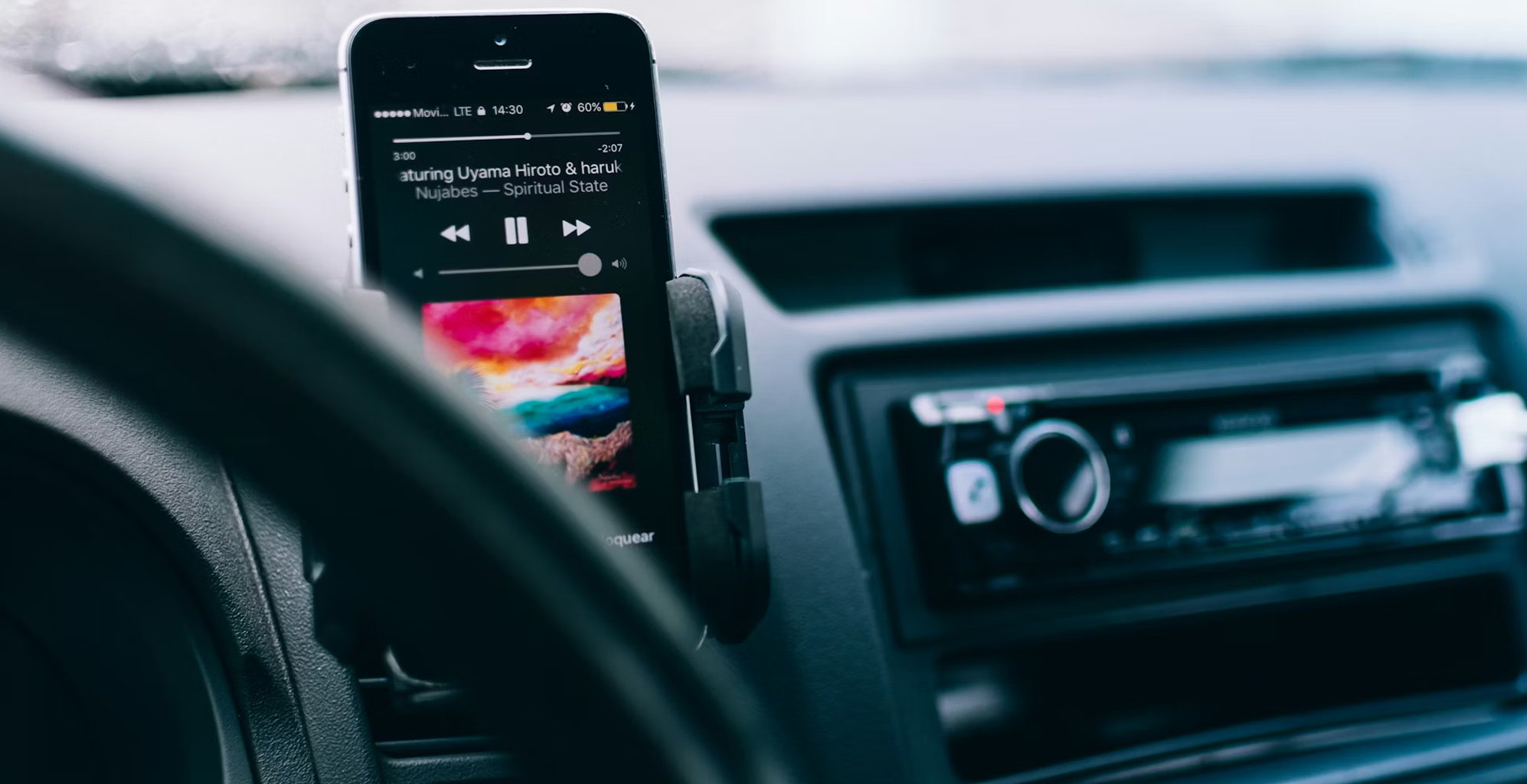
Smart speakers and connected cars are rapidly becoming mainstream listening environments for podcasts. Unlike traditional streaming platforms like Spotify or Apple Podcasts, these devices introduce new variables that can complicate tracking. Listener provides podcasters with the tools and analytics necessary to gain visibility into these emerging platforms, offering insights into listener behavior that inform production, distribution, and monetization strategies.
The rise of smart speakers and connected cars reflects broader changes in how audiences consume media. Many listeners now prioritize convenience and accessibility, listening while cooking, commuting, or multitasking. These on-the-go contexts demand a better understanding of consumption patterns, such as episode completion, skips, and frequency. Listener’s dashboards provide data from multiple sources, giving creators a comprehensive view of performance across these devices.
Podcasters must account for unique challenges when tracking these platforms. Smart speakers often involve voice commands and autoplay features, while connected cars can interrupt playback due to navigation alerts or network connectivity. These variables can affect engagement metrics and retention patterns. Listener’s platform captures these nuances, providing podcasters with a clearer picture of actual consumption rather than relying solely on traditional streaming statistics.
Understanding Smart Speaker Analytics
Smart speakers, including Amazon Echo, Google Nest, and Apple HomePod, present new opportunities for podcast reach. Unlike mobile or desktop devices, these platforms emphasize voice-driven interaction, which can influence discovery, playback behavior, and engagement.
- Voice-Activated Commands: Listeners may ask for a specific show or episode, impacting episode discovery patterns.
- Autoplay and Queue Behavior: Smart speakers often autoplay content, affecting retention and skip metrics.
- Listening Context: Smart speaker usage often occurs in casual, background environments, influencing completion rates and engagement patterns.
- Platform-Specific Data Limitations: Not all smart speaker platforms provide granular analytics, requiring integration tools like Listener to consolidate insights.
Listener helps podcasters translate these behaviors into actionable insights, showing which episodes are most frequently requested, skipped, or replayed on smart speaker platforms.
Tracking Podcast Consumption in Connected Cars
Connected cars offer another rapidly growing listening environment, particularly for commuters and long-distance travelers. Tracking in-car podcast consumption requires understanding how these devices integrate with infotainment systems, Bluetooth, and streaming apps.
- Integration with Mobile Apps: Many cars rely on Spotify, Apple Podcasts, or Google Podcasts apps, allowing partial tracking through mobile analytics.
- Interruptions and Pauses: Stops for navigation, phone calls, or traffic alerts can affect listening behavior.
- Contextual Listening: Commuters may prefer certain types of content for specific times of day or drive length.
- Data Collection Limitations: Car manufacturers often limit access to analytics, making third-party tools like Listener essential for comprehensive insights.
By combining these data points, Listener enables podcasters to understand not just how many listeners are tuning in but how they interact with content during in-car listening sessions.
Step-by-Step Approach to Consolidating Cross-Platform Analytics
To effectively track consumption across smart speakers and connected cars, podcasters should adopt a structured approach. Listener’s platform simplifies this process, ensuring that creators can integrate and analyze disparate data sources.
- Step 1: Identify all devices and platforms where your podcast is accessible, including smart speakers, connected cars, and traditional apps.
- Step 2: Integrate data sources using Listener’s dashboards, which consolidate metrics from multiple platforms.
- Step 3: Track key metrics such as episode requests, completion rates, skips, and replay behavior.
- Step 4: Segment data by device type, geography, and listener demographics to identify patterns.
- Step 5: Analyze context-based trends, such as time of day, commuting behavior, or multitasking scenarios.
- Step 6: Refine content and distribution strategies based on insights, optimizing episode length, structure, and topics for these listening environments.
Following this step-by-step workflow ensures that podcasters gain meaningful insights without being overwhelmed by fragmented data.
Metrics to Monitor Across Smart Speakers and Connected Cars
Understanding audience behavior on emerging platforms requires attention to both traditional and platform-specific metrics:
- Device-Specific Requests: Identify which episodes are most frequently requested via voice commands or infotainment controls.
- Completion Rates: Measure how much of each episode is listened to in these environments.
- Skip Patterns: Analyze where listeners pause, skip, or stop episodes.
- Replay Behavior: Detect episodes that are replayed, indicating high engagement.
- Contextual Insights: Track time of day, commuting patterns, and multitasking behaviors to inform content strategy.
- Conversion Metrics: Monitor how these listeners engage with calls-to-action, such as subscribing, sharing, or participating in promotions.
Listener consolidates these metrics across devices, providing a single, unified dashboard for podcasters to make data-driven decisions.
Best Practices for Maximizing Engagement in Emerging Platforms
Optimizing podcasts for smart speakers and connected cars requires understanding user behavior and context:
- Episode Structure: Create clear, engaging openings and segment content for interrupted listening.
- Audio Quality: Ensure clear, high-quality audio for varied listening environments, from noisy cars to quiet kitchens.
- Engaging Intros: Capture attention immediately, since smart speaker and car listeners may skip content if not instantly compelling.
- Calls-to-Action: Position them strategically for times when listeners are most attentive, such as the beginning or end of segments.
- Feedback Loops: Use Listener analytics to test strategies and refine content based on engagement trends.
By implementing these practices, podcasters can optimize performance across emerging listening environments while maintaining consistent growth and audience satisfaction.