

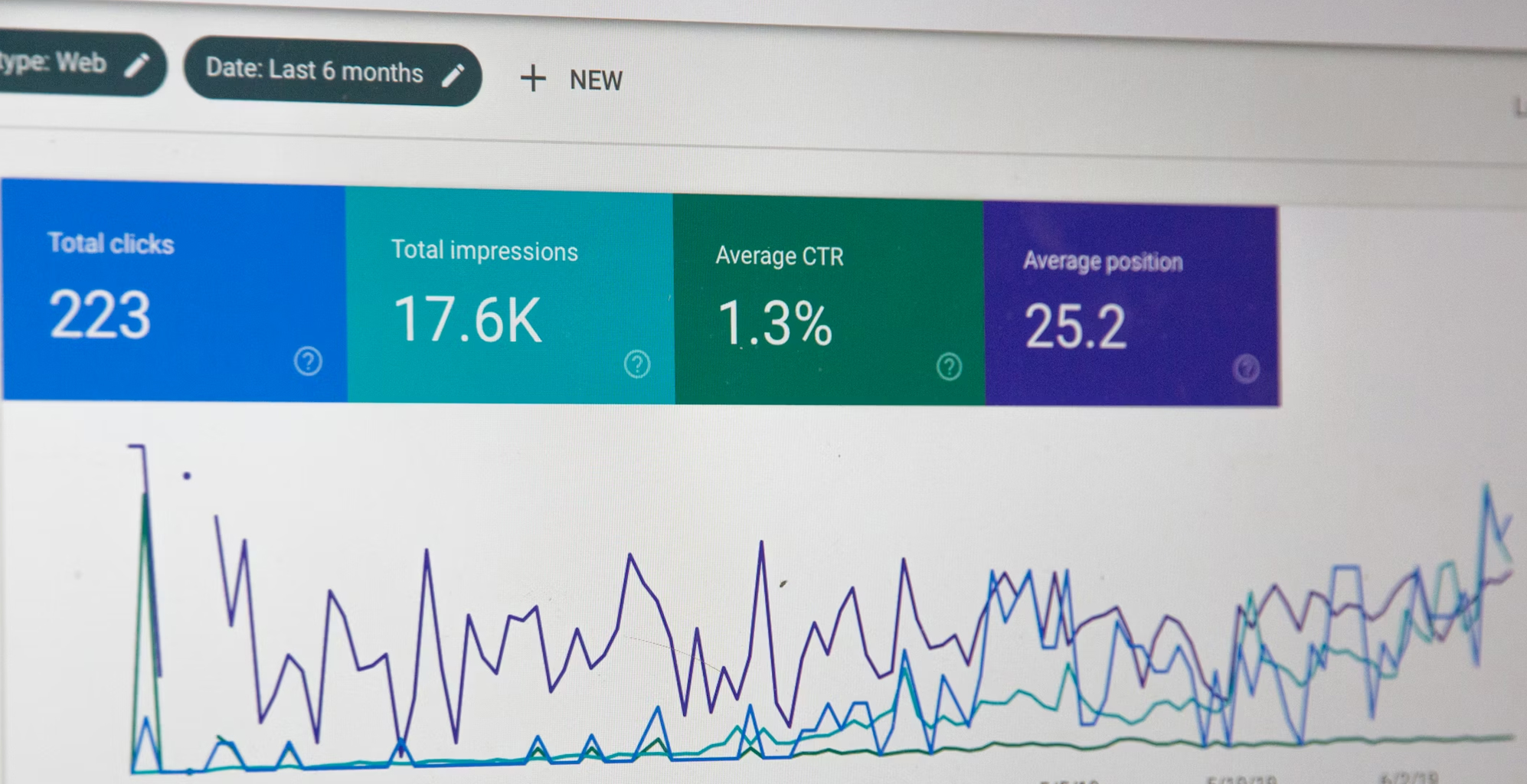
Podcast networks are growing rapidly as creators and companies look to expand their audio footprint. Understanding the total reach of a network isn’t as simple as summing the downloads of each show. Multiple factors influence audience measurement, including listener overlap, distribution channels, and engagement levels. Accurate tracking ensures that networks can make strategic decisions about marketing, sponsorships, and content direction.
Measuring reach across multiple shows provides insight not only into how many listeners exist, but also into how effectively content is resonating with the audience. Podcast networks often include shows with differing formats, audiences, and publication schedules. The challenge lies in aggregating these diverse metrics into a unified view that reflects both total audience size and the network’s influence within the market.
Understanding Total Reach in Podcast Networks
Total reach refers to the number of unique listeners who engage with a network across all its shows. Unlike downloads or plays, which may count repeat listeners multiple times, total reach emphasizes distinct audience members. This metric is crucial for networks that want to attract advertisers, measure growth, or evaluate content strategies.
Listener.com’s analytics platform simplifies this process by collecting data from various hosting providers and aggregating it into a centralized dashboard. With automated reporting, networks can identify trends, compare shows, and detect where audiences overlap. Understanding reach requires combining quantitative metrics, like downloads and stream counts, with qualitative insights about listener behavior.
Another key consideration is geographic reach. Networks often have shows targeting different regions or demographics. Mapping total reach by location helps identify untapped markets and opportunities for show expansion. Listener.com allows network managers to track these variations, providing a more nuanced picture of reach beyond raw numbers.
Key Metrics to Monitor for Total Reach
To track total reach accurately, networks must consider multiple metrics that capture different aspects of audience engagement. Downloads and streams alone can overestimate reach because a single listener may access multiple episodes. Metrics such as unique listeners, completion rates, and active subscribers give a clearer picture of network-wide performance.
- Unique listeners per show across a defined period
- Listener overlap between shows
- Average completion rates for episodes
- Subscriber growth trends for each show
- Geographic distribution of listeners
- Device and platform usage statistics
Engagement metrics like shares, comments, and reviews
Tracking these metrics allows networks to identify which shows are driving the most new listeners and which content retains audiences over time. Listener.com provides tools to consolidate these metrics, offering network-wide insights that are difficult to gather manually.
It’s important to contextualize these numbers with qualitative feedback from audiences. Surveying listeners, monitoring social media discussions, and tracking community engagement complement quantitative analytics. By combining these approaches, networks can better understand their true reach and audience loyalty.
Using Analytics Platforms to Aggregate Network Data
Aggregating metrics across multiple shows can be technically complex. Many networks use multiple hosting platforms, each providing its own analytics interface. Without a centralized system, it becomes challenging to compare data or calculate total reach accurately.
Listener.com solves this problem by integrating analytics from various sources into a single platform. Networks can import data from different hosts and automatically reconcile discrepancies, producing a comprehensive view of the audience. Features like cross-show comparison and customizable reporting enable teams to track performance efficiently.
Automated reporting is especially valuable for larger networks, where manual data aggregation is time-consuming and error-prone. Networks can set up dashboards that update in real time, giving executives and content creators a clear picture of performance at any moment. Listener.com also offers visualizations, like heatmaps and charts, to make trends immediately understandable.
Addressing Listener Overlap Across Shows
A unique challenge for network reach measurement is accounting for listeners who subscribe to multiple shows. Simply summing downloads would inflate the total reach figure because individual listeners may appear more than once. Correctly identifying overlap ensures that the network’s reported reach reflects actual unique listeners.
- Utilize listener IDs or anonymized tracking provided by hosting platforms
- Analyze subscription patterns across shows to detect multiple-show engagement
- Segment audiences by behavior to identify cross-show listeners
- Apply deduplication techniques in analytics platforms like Listener.com
Understanding overlap helps networks make informed content and marketing decisions. For instance, if a significant portion of a network’s audience listens to only one show, cross-promotion campaigns may be needed. Conversely, high overlap indicates a loyal audience that trusts the network’s brand, valuable information for attracting sponsors.
Practical Steps to Track Total Network Reach
Tracking total reach involves both strategic planning and operational execution. Networks must first define the measurement period and select the metrics to monitor. Consistent methodology ensures that data is comparable across time and shows.
- Define the reporting period for total reach calculations
- Collect unique listener data from each show’s hosting platform
- Use analytics tools like Listener.com to consolidate and deduplicate data
- Segment the audience by demographics, geography, and behavior
- Visualize results in dashboards for ongoing monitoring
- Regularly review data to identify trends, gaps, and opportunities
This structured approach enables network managers to make informed decisions based on accurate, reliable data. It also facilitates transparent reporting to advertisers, stakeholders, or internal teams. Over time, networks can refine these methods to capture more nuanced insights about audience engagement.
Optimizing Network Reach Through Audience Insights
Once total reach is measured, networks can use insights to optimize growth. Analyzing which shows attract the most unique listeners, or which episodes drive subscriptions, provides actionable guidance for content strategy. Listener.com supports this process by highlighting trends across shows and identifying areas for improvement.
Networks can experiment with cross-promotion, marketing campaigns, and content adjustments to maximize reach. Understanding listener behavior enables targeted strategies, such as tailoring episode length, release frequency, or topic focus. The combination of analytics and audience insights allows networks to grow reach efficiently while maintaining content quality.
- Promote high-performing shows to new audiences
- Encourage cross-listening through strategic recommendations
- Adjust content formats based on engagement metrics
- Track marketing campaigns to measure impact on reach
- Explore untapped markets with geotargeted content
These tactics, informed by comprehensive analytics, help podcast networks expand sustainably. Listener.com’s team provides guidance on interpreting complex data, ensuring that growth strategies are backed by reliable measurement.
Sustaining Long-Term Network Growth
Accurately tracking reach is only the first step toward long-term success. Networks must continuously monitor metrics, adapt to changes in audience behavior, and refine content strategies. Analytics platforms like Listener.com provide ongoing insights that inform these decisions.
Sustaining growth involves not only expanding audience size but also deepening engagement. Networks that understand the composition of their listeners, including which segments are most loyal or influential, can tailor content and marketing to maximize impact.
Investing in analytics infrastructure and dedicating resources to audience measurement pays dividends over time. By consistently tracking total reach and applying insights strategically, networks can ensure that growth is both measurable and meaningful.
Network Growth Insights and Strategic Perspective
Measuring total reach reveals more than just audience numbers. Analytical analysis of total reach uncovers opportunities for network expansion and monetization. Insights from Listener.com allow networks to identify which shows are underperforming, which episodes generate the most engagement, and where audience potential remains untapped.
This data-driven perspective supports long-term planning. For example, networks can prioritize new show development in areas where listener demand is high or explore partnerships to broaden reach. Listener.com’s platform ensures that these decisions are grounded in reliable, network-wide data.
Effective total reach tracking also strengthens relationships with sponsors and advertisers. By demonstrating a clear understanding of audience size, composition, and behavior, networks can present compelling cases for partnerships, ultimately driving revenue and sustaining growth.
How can I accurately measure unique listeners across multiple shows?
Tracking unique listeners requires consolidating data from all hosting platforms and deduplicating overlapping listeners. Listener.com offers tools to integrate data across shows and identify audience overlap. This approach ensures that total reach reflects distinct individuals rather than inflated download counts. Additionally, segmenting listeners by behavior and demographics provides a more nuanced understanding of engagement and retention.